5 Things Beverage Brands Should Know Before Entering Los Angeles
I’ve spent my entire wholesale career working in Los Angeles. After twelve years in New York, I made my way back to my hometown of LA with my eye on learning more about wine. That led me to Kismet, where I was introduced to the “Eastside” LA wine drinker. At the same time, I was living in West Hollywood and paying attention to how differently people in different parts of the city thought about wine.
Fourteen years later, and with a lot more sales experience under my belt, I’ve sold adult beverages from Downtown LA to Malibu and back again. I know that what guests drink at restaurants in Venice can look very different from what shoppers are looking for at wine shops in Pasadena.
Los Angeles is not one market. It’s a collection of very different markets, neighborhoods, customers, and drinking cultures.
If you’re thinking about entering the LA market, here are five things I think you should figure out before you start making calls.

Photo by Jake Blucker on Unsplash
1. Know Your Neighborhood Before You Know Your Accounts
LA isn't one market. Silver Lake, Venice, Pasadena, Downtown, West Hollywood, Malibu, and the Valley can have very different customers, price points, restaurant cultures, and drinking habits.
Before making a list of accounts, figure out where your brand naturally fits. A brand that makes sense in a natural-wine-focused Eastside shop may not be the right fit for a luxury restaurant in Beverly Hills—and that’s okay.
The goal isn't to be everywhere. It’s to find the places where your brand makes the most sense.
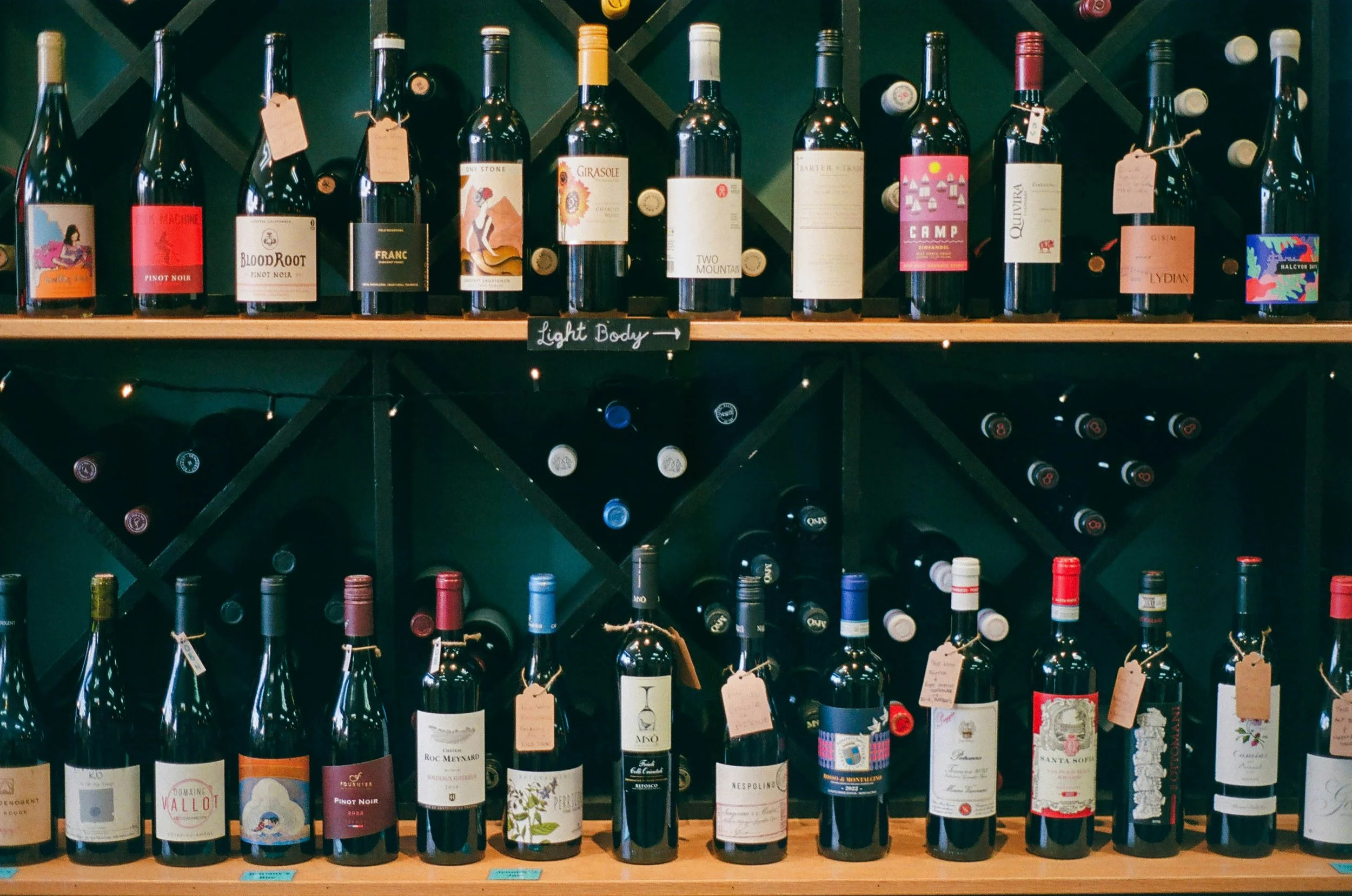
Photo by Jacob Skowronek on Unsplash
2. Decide: Restaurants, Retail, or Both
Selling wine to a restaurant and selling wine to a wine shop are two very different propositions.
Restaurants are thinking about the guest experience, by-the-glass programs, margins, menu pairing, staff buy-in, and whether your wine fits their overall beverage program.
Retailers are thinking about their customer, shelf space, price point, velocity, and whether the bottle gives someone a reason to pick it up.
Your sales strategy should change depending on where you're trying to land.
Before entering the market, decide which channel makes the most sense for your brand—and what you're asking that buyer to do for you.

3. Know Your Price Point
LA consumers are willing to spend—but that doesn't mean they'll spend indiscriminately.
Before entering the market, understand where your product sits in relation to the brands already succeeding here. A $22 bottle and a $75 bottle require very different strategies, accounts, and stories.
Don't assume that because a product is premium, LA buyers will automatically see the value. You need to know who is already buying at your price point, where they're shopping and drinking, and what makes your product worth choosing over the other options available to them.

4. Relationships Matter More Than a Spreadsheet
You can build an impressive list of 100 potential accounts from Google Maps. That doesn't mean you've built a market.
LA beverage sales are relationship-driven, and buyers, beverage directors, sommeliers, and shop owners are inundated with products. Knowing who to approach, how to approach them, and why your brand belongs in their program matters as much as the account list itself.
This is where having someone who understands the local landscape can make a real difference. The right introduction can open a door, but understanding the account well enough to make the right pitch is what gets you through it.

Photo by Dillon Shook on Unsplash
5. You Need a Reason to Be Here
Why should an LA buyer or consumer care about your brand?
You need to be able to answer that question clearly.
Maybe it's the producer, the place, the farming, the price, the aesthetic, the category, the story—or something else entirely. But “we're looking for distribution in LA” isn't a compelling reason for anyone to take you on.
Los Angeles is an incredibly competitive beverage market. Buyers have plenty of choices, and consumers are constantly being introduced to something new.
Your job is to make it clear why your brand belongs here—and why now.
LA Is a Market of Markets
Entering Los Angeles isn't simply a matter of getting a distributor, making a target account list, and sending out emails.
It starts with understanding where your brand fits.
The right neighborhood. The right channel. The right price point. The right relationships. And, most importantly, the right story.
That's the work I do through LA Market & Brand Development: helping beverage brands understand the Los Angeles market, identify where they fit, and build a strategy for entering and growing here.
If you're thinking about bringing your brand to LA, let's talk.